

In the scene that objects are moving at high speed, the traditional frame synchronization imaging and sensing-computing separation architecture cannot meet the requirements of system application scenarios. The development of bionic dynamic vision sensing system chip with sensing-computing integration has become an effective way to deal with such scenarios.
Product Center
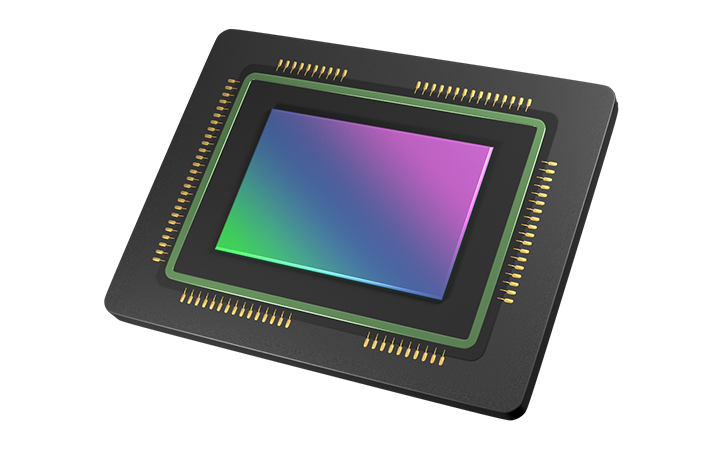
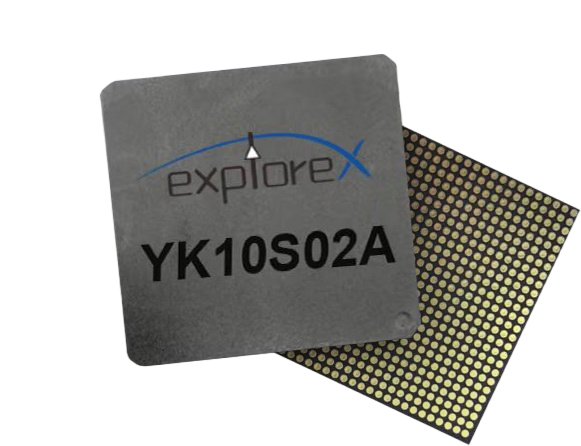
This is a low-power ISP (Image Signal Processor) chip with built-in intelligent algorithms, with full-chain autonomy and control over the manufacturing process and tape-out flow.
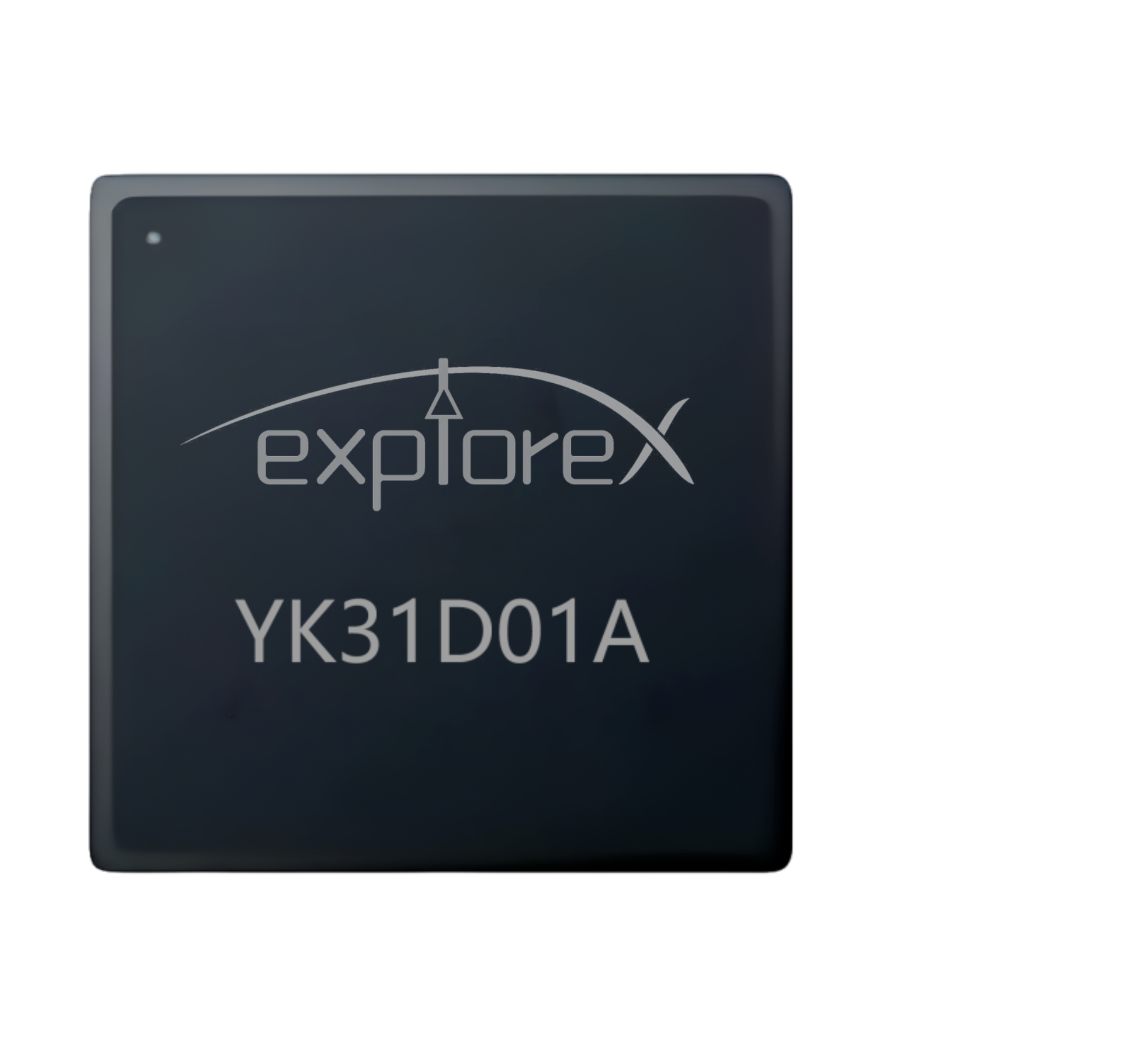
This chip is fully domestically designed and manufactured based on the RISC-V architecture. It supports video input in LVDS/MIPI formats, and integrates functionalities including image processing, image fusion, image stitching, and video output in LVDS/MIPI formats. It supports parallel input from 4 sensors, and is compatible with visible light, infrared, and fusion imaging modes. It also supports simultaneous operation of single or multiple sensors.

Our infrared digital readout integrated circuits (ROICs) cover a wide range of specifications, including resolutions of 320×256, 640×512, 1280×1024, and 2048×2048, pixel pitches from 10μm to 30μm, and ADC quantization precision from 14-bit to 22-bit. Based on precise low-temperature simulation models built on domestic manufacturing processes, these ROICs support interconnect and integration with both cooled and uncooled infrared detectors. They feature key competitive advantages of high yield, low cost, and high performance.
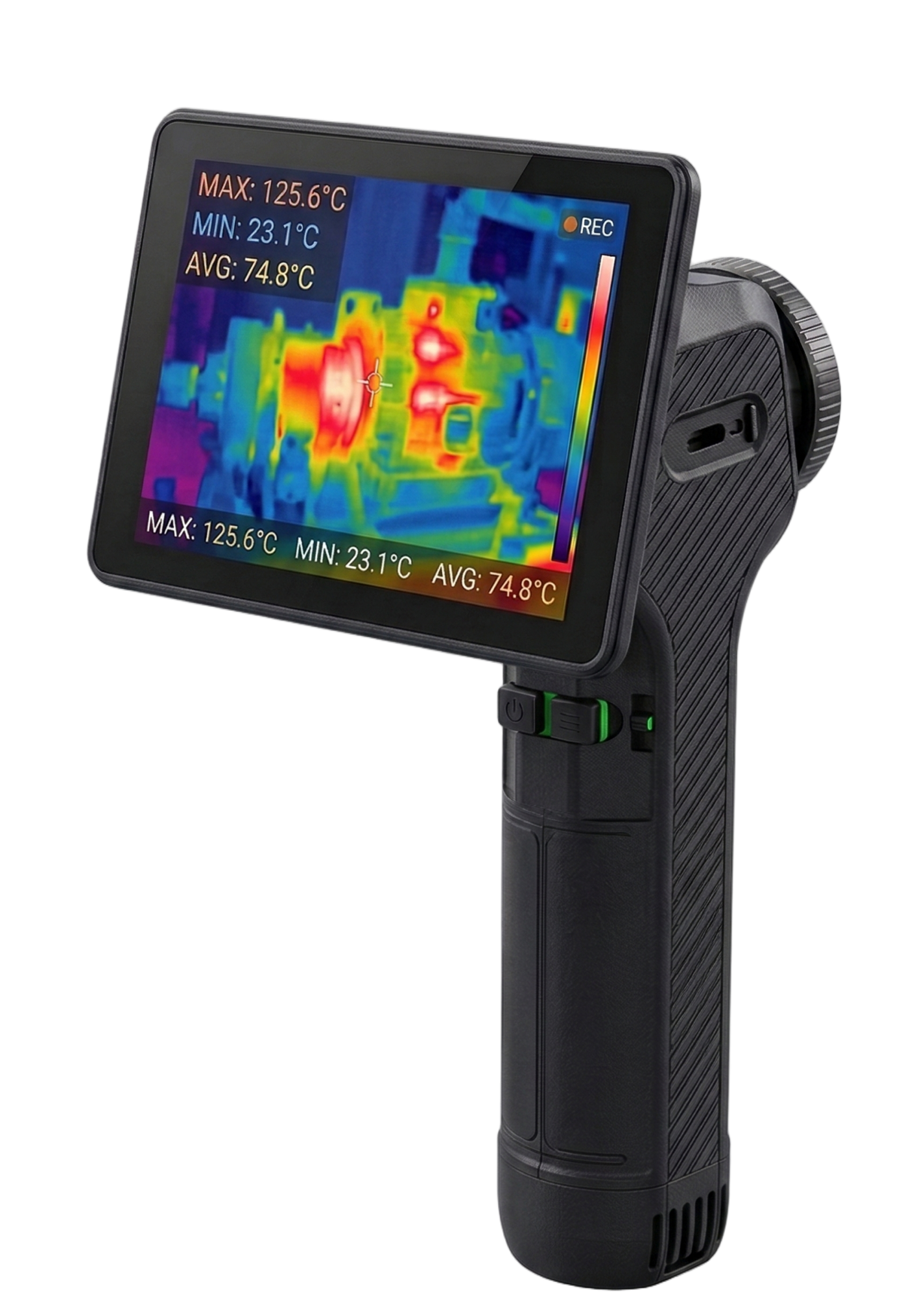
This system is composed of an FPGA chip and related interface circuits. Based on self-developed image processing algorithms from Yukan Technology, the product delivers high-quality infrared imaging and display output capabilities. It supports both Linux and RTOS operating systems, enabling connection and data interaction with various devices. Meanwhile, its ultra-low-cost design and rapid deployment features make the system suitable for a wide range of application scenarios.
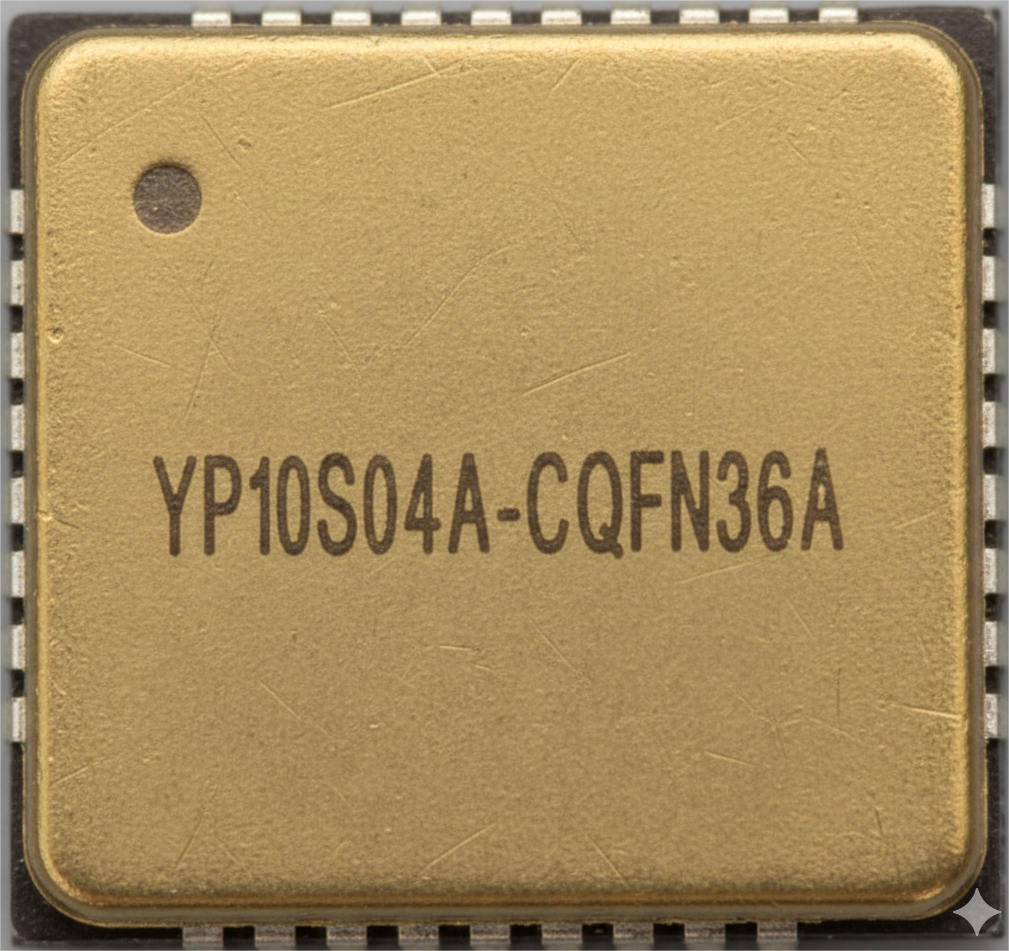
Our radiation-hardened power management IC (PMIC) product line covers core components including operational amplifiers, low-dropout regulators (LDOs), and GaN drive circuits, which are deeply optimized for extreme environments such as high radiation, high temperature, and vibration. All products in this family are designed with radiation hardening, featuring a total ionizing dose (TID) tolerance of ≥ 1 Mrad(Si), single-event upset (SEU) immunity ≥ 37 MeV·cm²/mg, and single-event latchup (SEL) immunity ≥ 75 MeV·cm²/mg. These ICs can work in concert with ISP chips to form a complete "power supply - imaging - processing" solution, significantly shortening the development cycle of satellite payloads.